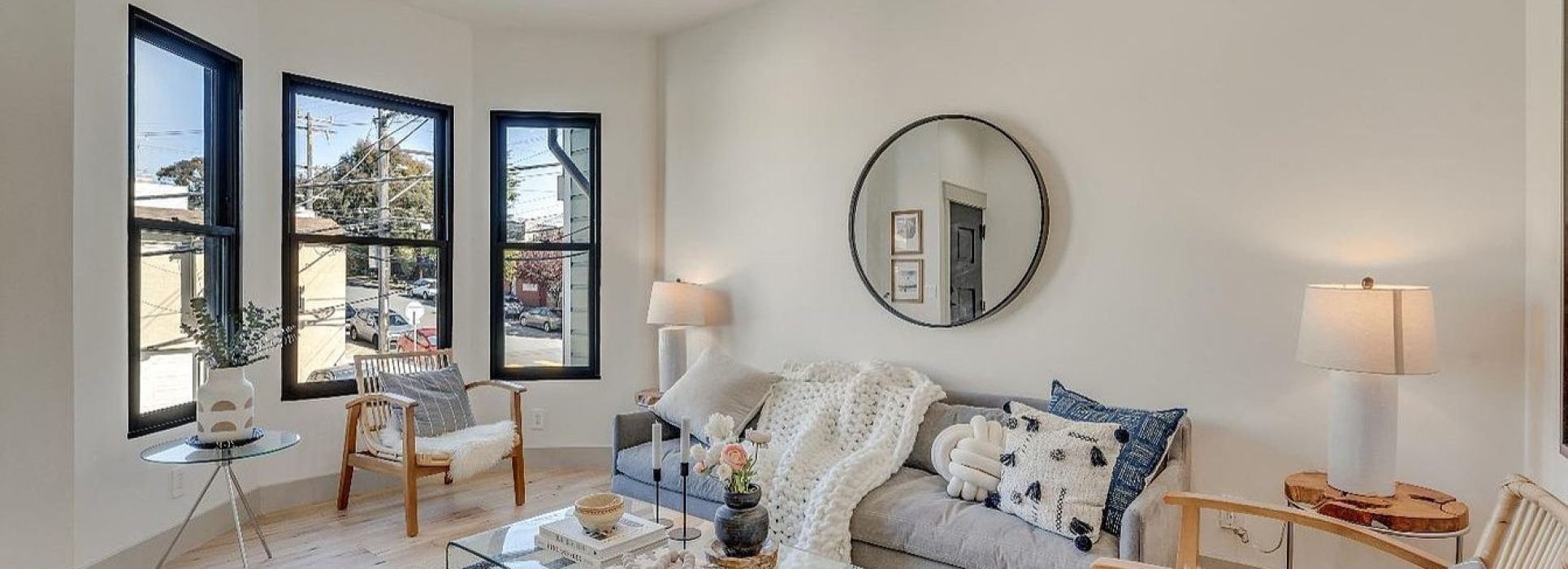
How to Choose the Best Flooring for Your Home Remodel
Choosing Flooring That Looks Great and Works for Your Lifestyle
Flooring is one of the biggest design decisions you’ll make during a home remodel.
It affects the look of your rooms, the way they feel underfoot, how easy they are to maintain, and how well they hold up to everyday life.
With so many flooring options available—including hardwood, tile, luxury vinyl, and carpet—it can be difficult to know which material is right for your home.
The best flooring isn’t necessarily the most expensive option or the latest design trend. It’s the flooring that fits your lifestyle, your home’s design, and the way each room is used.
What to Consider Before Choosing New Flooring
Before selecting a flooring material, look at the bigger picture.
Consider:
- How much foot traffic the room receives
- Whether the area is exposed to moisture
- How easy the flooring is to clean
- Whether you have children or pets
- How much maintenance you’re comfortable with
- How the flooring will coordinate with the rest of your home
- How long you expect the flooring to last
Answering these questions can help narrow down your choices and prevent you from selecting a material based only on appearance.
Hardwood Flooring: A Timeless Choice
Hardwood flooring remains a popular option for homeowners who want warmth, character, and a timeless appearance.
It can work particularly well in:
- Living rooms
- Dining rooms
- Bedrooms
- Hallways
- Home offices
Hardwood can complement many interior design styles, from traditional to contemporary.
However, it’s important to consider the room’s moisture levels and maintenance requirements before choosing hardwood.
If you’re remodeling several connected rooms, continuing hardwood throughout certain areas can also create a more cohesive look.
Tile Flooring: Durable and Easy to Maintain
Tile flooring is a practical choice for areas where moisture, spills, and frequent cleaning are common.
It’s especially popular for:
- Kitchens
- Bathrooms
- Entryways
- Mudrooms
- Laundry rooms
Tile also provides extensive design flexibility. You can choose from different sizes, shapes, colors, patterns, and textures to create anything from a clean, minimalist look to a more distinctive design.
Because tile is highly durable and relatively easy to maintain, it can be a strong option for busy areas of the home.
Luxury Vinyl Flooring: Style and Everyday Functionality
Luxury vinyl flooring has become increasingly popular in home remodeling because it can replicate the appearance of materials such as hardwood or stone while providing practical performance for everyday living.
It can be a versatile option for high-traffic areas and rooms where homeowners want a combination of style and easy maintenance.
When comparing luxury vinyl products, consider factors such as:
- Wear layer
- Overall construction
- Water resistance
- Installation method
- Manufacturer specifications
- Expected traffic
Choosing a quality product suited to the room can make a significant difference in long-term performance.
Carpet Flooring: Comfort and Warmth
Carpet can be an excellent choice when comfort and softness are priorities.
It’s commonly used in bedrooms, family rooms, and other areas where homeowners want a warmer and quieter atmosphere.
Carpet can also help absorb sound, which can be beneficial in busy households.
When choosing carpet, consider the material, pile, color, durability, and how frequently the room is used.
Match Flooring to Each Room
There isn’t one flooring material that is perfect for every room.
Instead, think about the specific needs of each space.
Kitchen Flooring
Kitchen floors should be durable, easy to clean, and able to handle frequent activity.
Tile and luxury vinyl are common choices, while other materials may also work depending on the home’s design and lifestyle.
A thoughtfully planned remodel can bring together beautiful finishes, functional spaces, and a design that fits the way you live. Sunset Remodeling & Design can help you create a home that’s comfortable, practical, and built around your needs.
Bathroom Flooring
Bathrooms require flooring that can handle moisture.
Tile is a popular option because it offers durability and a wide range of design choices.
Bedroom Flooring
Bedrooms often benefit from flooring that creates a comfortable and relaxing atmosphere.
Hardwood, carpet, and other softer or warmer-feeling materials can all work depending on the overall design.
Entryway and Mudroom Flooring
Entryways experience some of the highest levels of everyday wear.
Choose a material that can handle dirt, moisture, and frequent foot traffic while still complementing the home’s interior.
Think About Flooring Maintenance
One of the most important questions to ask is:
How much maintenance do you want to do?
Every flooring material has different cleaning and maintenance requirements.
Consider your daily routine before making a decision.
A floor that looks beautiful but requires more maintenance than you’re willing to provide may not be the right choice for your household.
The goal is to find a balance between appearance, durability, and practicality.
Coordinate Flooring With Your Interior Design
Your flooring should complement the other elements of your remodel.
Think about how it will work with:
- Kitchen cabinets
- Bathroom vanities
- Countertops
- Wall colors
- Interior doors
- Trim
- Furniture
- Lighting fixtures
For example, a neutral floor can provide a simple foundation for bold cabinetry, while a more distinctive floor may work better with understated finishes.
Creating a cohesive palette can help your remodeled spaces feel connected.
Should You Use the Same Flooring Throughout Your Home?
Using the same flooring across connected spaces can create a seamless appearance and make rooms feel more visually connected.
However, different flooring materials can also help define individual spaces.
The important thing is to plan transitions carefully.
A flooring transition between a kitchen, hallway, bathroom, or addition should feel intentional and complement the overall design.
Don’t Choose Flooring Based Only on Trends
Flooring trends can be helpful for inspiration, but your home should not be designed around a trend that may disappear in a few years.
Instead, consider materials and colors that you’ll enjoy over the long term.
A timeless foundation also gives you more flexibility when updating furniture, paint colors, and décor later.
Consider Flooring During the Early Design Stage
Flooring shouldn’t be an afterthought.
When you’re planning a kitchen remodel, bathroom renovation, home addition, or whole-home remodel, flooring should be considered alongside the layout and other major design elements.
Planning early can help ensure that:
- Flooring transitions are properly coordinated
- Materials complement cabinetry and finishes
- Room-to-room flow feels natural
- Installation requirements are considered
- The final design feels cohesive
A remodeling professional can help you evaluate flooring options based on both design and practical considerations.
Choose Flooring That Works for Your Home
The best flooring for a home remodel is the flooring that fits the way you live.
A busy kitchen may require durability and easy maintenance. A bedroom may prioritize comfort. A bathroom may need moisture-resistant materials. Connected living spaces may benefit from consistent flooring that creates visual flow.
By considering the needs of each room before making a decision, you can choose flooring that looks beautiful and performs well for years to come.
At Sunset Remodeling & Design, thoughtful planning is at the heart of every remodeling project. From flooring and finishes to layouts and complete renovations, the goal is to create spaces that are designed around your home and lifestyle.

